
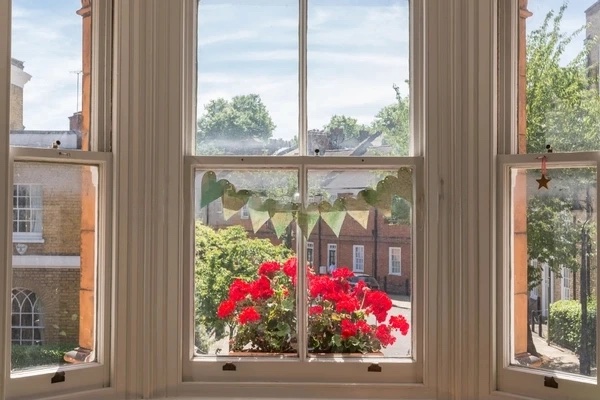
In the context of sustainability and eco-friendly construction practices, sash windows have several characteristics that contribute to their environmental impact. This article examines how sash windows contribute to sustainability in construction and compares their environmental footprint with other window types.
Contribution to Sustainability in Construction
1. Longevity and Durability: One of the most significant environmental benefits of sash windows is their longevity. Traditional sash windows, especially those made from high-quality timber, can last for centuries with proper maintenance. This durability reduces the need for frequent replacements, which in turn minimizes resource consumption and waste generation.
2. Renewable Materials: Sash windows are often made from timber, a renewable resource. When sourced from responsibly managed forests, timber production has a much lower environmental impact compared to non-renewable materials like uPVC and aluminum. Sustainable forestry practices ensure that wood harvesting does not deplete natural resources and contributes to carbon sequestration, making timber a more environmentally friendly option.
3. Reparability: Unlike many modern window types that are often replaced when damaged, sash windows are designed to be repaired. Components like the sashes, glazing bars, and pulleys can be individually replaced or restored. This reparability extends the life of the windows and reduces the environmental impact associated with manufacturing and disposing of entire window units.
4. Energy Efficiency Upgrades: Modern sash windows can be retrofitted with energy-efficient technologies such as double glazing, weather stripping, and draught-proofing. These upgrades enhance thermal performance and reduce the energy consumption of buildings. Improved energy efficiency lowers greenhouse gas emissions associated with heating and cooling, contributing to overall sustainability.
5. Preservation of Architectural Heritage: Sash windows play a crucial role in preserving the architectural integrity of historic buildings. Maintaining and restoring original sash windows in heritage properties prevents unnecessary demolition and reconstruction, which can have a substantial environmental footprint. Preservation efforts support sustainable development by reducing the need for new materials and conserving cultural heritage.
Comparison with Other Window Types
1. uPVC Windows:
Environmental Impact: uPVC (unplasticized polyvinyl chloride) windows are popular due to their low cost, durability, and low maintenance. However, the production of uPVC involves the use of non-renewable petroleum-based resources and energy-intensive processes. The manufacturing and disposal of uPVC windows can release harmful chemicals, contributing to environmental pollution.
Longevity: uPVC windows have a lifespan of about 20-35 years, after which they typically need to be replaced. While they can be recycled, the recycling process is complex and not always available, leading to significant amounts of waste.
Energy Efficiency: uPVC windows generally offer good thermal performance, but their environmental benefits are often outweighed by the impacts of their production and disposal.
2. Aluminum Windows:
Environmental Impact: Aluminum windows are valued for their strength, durability, and modern appearance. However, the extraction and processing of aluminum are highly energy-intensive, leading to a significant carbon footprint. The mining of bauxite, the primary ore used in aluminum production, can also cause extensive environmental degradation.
Longevity: Aluminum windows are highly durable and can last for several decades. They are also recyclable, which helps mitigate some of the environmental impacts associated with their production.
Energy Efficiency: While aluminum is a poor insulator, modern aluminum windows often incorporate thermal breaks and advanced glazing to improve energy efficiency. However, their overall environmental impact remains higher compared to timber sash windows.
3. Composite Windows:
Environmental Impact: Composite windows combine materials such as timber, aluminum, and uPVC to leverage the strengths of each. The production of composite windows involves complex manufacturing processes and the use of multiple resources, which can increase their environmental footprint.
Longevity: Composite windows are designed to be long-lasting and require minimal maintenance. Their hybrid construction can offer superior durability and performance compared to single-material windows.
Energy Efficiency: Composite windows often provide excellent thermal performance due to the combination of insulating materials and advanced glazing options. However, the environmental benefits of their energy efficiency must be balanced against the impacts of their production.
Conclusion
Sash windows, particularly those made from sustainably sourced timber, have a relatively low environmental footprint compared to many modern window types. Their longevity, reparability, and the use of renewable materials contribute significantly to sustainability in construction. When retrofitted with energy-efficient technologies, sash windows can offer modern thermal performance while preserving their historical and aesthetic value.
In comparison, uPVC and aluminum windows have higher environmental impacts due to their energy-intensive production processes and the use of non-renewable resources. While these windows can offer good energy efficiency and durability, their overall sustainability is often less favorable than that of sash windows.
Ultimately, the choice of window type should consider both environmental impacts and specific project requirements. For those looking to balance sustainability with aesthetic and functional considerations, sash windows present a compelling option that aligns well with eco-friendly construction practices.